Quality Spider Control Waterloo with Professional Spider Removal for Homes and Businesses
Quality Spider Control Waterloo with Professional Spider Removal for Homes and Businesses
Blog Article
Spiders often come in through small cracks, gaps, vents, doors, and windows. A few harmless spiders may not signal a serious issue, but growing numbers, fresh spider webs, and egg sacs point to conditions that support a spider infestation. Professional Spider Control Waterloo services address the visible problem and the factors that keep bringing spiders back.
A complete service may include spider identification, property inspection, web removal, targeted pest treatment, exclusion work, and follow-up treatment. The goal is not simply to remove a spider from a wall. It is to limit shelter, control insect activity, close entry points, and provide lasting protection for your home or commercial property.
Mosquito Man is one business that may be contacted for pest control assistance. Before treatment begins, ask what the service covers, which areas require attention, and what preparation steps apply to your property.
How Specialist Spider Control Helps
A spider infestation can develop in quiet areas that receive hardly any daily attention. Basements, garages, storage rooms, crawl spaces, utility areas, and exterior walls often provide shelter. Spiders may also gather around outdoor lights because those lights attract the insects they eat.
Removing a few noticeable spiders does not always solve the cause. Spider webs may come back because insects still have access to the building, moisture remains high, or cracks and gaps offer easy routes inside. A pest control technician can check these conditions and create a service plan based on facts rather than guessing.
Specialist spider removal supports property protection in several ways:
- It finds web locations that may be missed during routine cleaning.
- It identifies entry points around doors, windows, foundations, vents, and service lines.
- It tells apart harmless species from spiders that need closer attention.
- It targets insects that act as a food source.
- It lowers the chance of egg sacs forming in sheltered areas.
Spider control services also help you make informed decisions. A technician can explain whether you need interior pest treatment, exterior perimeter treatment, physical repairs, or a combination of these steps.

Common Spiders That Enter Waterloo Homes
A number of spider species may enter homes and buildings. Correct spider identification can show where to inspect and which control method makes sense.
House spiders commonly build loose, irregular webs in corners, window frames, ceilings, and other rarely disturbed spaces. They may appear near exterior lights where flying insects cluster. These spiders are usually more of a household problem than a health concern, but a large number can indicate that the building offers suitable shelter and food.
Cellar spiders are often called daddy longlegs. They have small bodies and very long, thin legs. They prefer dark, damp areas such as basements, utility rooms, and storage spaces. Cellar spiders may create tangled webs that become noticeable around ceilings and fixtures.
Wolf spider species do not usually rely on suspended webs to catch prey. They hunt along floors, foundations, lawns, and other near-ground areas. They may enter through door gaps, foundation cracks, or poorly sealed windows. Their size can make them disturbing, even though they generally steer clear of people.
Spider identification should not rely on colour alone. Size, body shape, web design, location, behaviour, and the surrounding conditions all provide important details. A clear photo or specimen can help a pest control professional assess the species, although an on-site review may be needed when activity is extensive.
Warning Signs You May Need Spider Removal
A single spider does not always require a treatment visit. Certain patterns deserve closer attention. Look for web buildup in multiple rooms, along exterior walls, or around doors and windows. Fresh webs that reappear soon after cleaning suggest ongoing spider activity.
You may also notice:
- Spider nests in sheltered corners, storage areas, eaves, or around outdoor fixtures.
- Egg sacs fixed to webs, boxes, furniture, siding, or basement surfaces.
- Small spiderlings showing up at the same time in one area.
- Recurring spider activity even with regular vacuuming.
- Many insects near windows, lights, drains, or doors.
- Spiders appearing in living areas following weather changes.
Egg sacs deserve extra attention because they may contain many spider eggs. Removing the visible adult spider without addressing the sac can allow activity to continue. Web buildup can also hide nests, shed skins, and insect remains, so a thorough inspection helps reveal the problem.
Our Qualified Spider Management Process
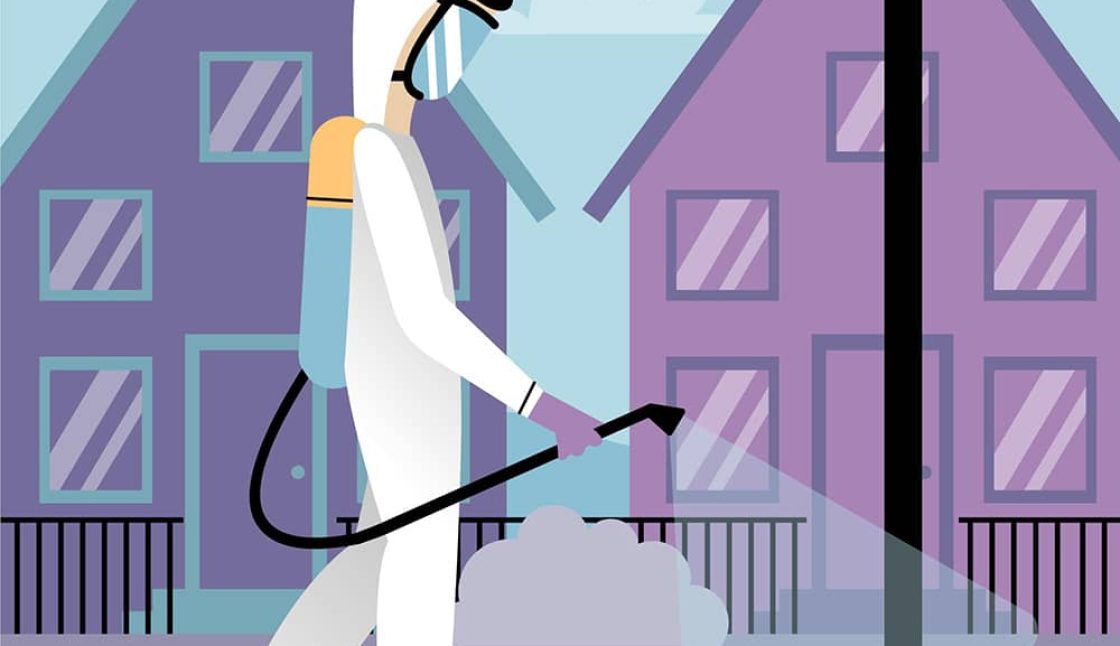
A reliable service should follow a structured sequence. The process begins with a property inspection and ends with prevention advice and, where needed, follow-up service. Each property has different construction, moisture, lighting, and access conditions.
The usual stages include:
- Assessing your concerns, recent sightings, and areas of activity.
- Checking the interior, exterior, basement, garage, and other likely harbourage areas.
- Completing spider identification and noting webs, nests, egg sacs, insects, and entry points.
- Taking away accessible spiders, webs, and egg sacs.
- Providing targeted treatment to suitable areas.
- Advising on repairs, cleaning, moisture control, and insect reduction.
- Arranging follow-up treatment when the activity level or property conditions require it.
Inspection and Spider Identification
A property inspection should cover more than the room where you saw a spider. The technician may check foundation lines, window wells, door frames, eaves, vents, utility penetrations, attic access points, basements, garages, and storage zones.
During the inspection, the pest control professional looks for entry points and harbourage areas. Cracks and gaps around the foundation can let ground-dwelling spiders enter. Loose weatherstripping, damaged screens, and gaps under doors create similar access routes. Dense clutter, cardboard, firewood, and stored equipment can give spiders places to hide.
Web locations also provide valuable information. Webs near lights may indicate a steady insect supply. Webs in damp corners may point to moisture problems. Webs along window frames may show where spiders enter or where insects collect.
A written or verbal pest assessment should explain what was found, which areas need treatment, and what you can do before the next visit. Ask questions if the recommendation is unclear. Good service connects the treatment plan to specific observations from the home inspection.
Web Removal and Nest Treatment
Web removal physically clears spider webs from available surfaces. This may include corners, soffits, window frames, light fixtures, doorways, basement ceilings, and garage walls. Removing webs enhances the appearance of the property and removes places where spiders may remain active.
Egg sac removal is a distinct step. Egg sacs may be hidden behind stored items, under ledges, around window frames, or inside web clusters. A technician should handle them carefully and dispose of them according to the service procedure.
Exterior treatment may focus on foundation lines, door frames, window surrounds, eaves, garages, and other areas where spiders travel or build webs. An interior treatment may address basements, utility rooms, storage areas, window edges, and other confirmed activity zones. Treatment should be targeted to the conditions found during the inspection rather than applied without a clear purpose.
Web treatment may also include advice about regular removal. Brushing down old webs can help reveal new activity, but cleaning alone will not correct a steady insect supply or an open entry point.
Preventive Treatments and Exclusion
Prevention works best when chemical treatment and building maintenance reinforce each other. Entry point sealing can close cracks and gaps around foundations, frames, vents, pipes, and service penetrations. Use a suitable sealant for the surface and repair damaged materials instead of covering a serious structural issue temporarily.
Door sweeps help block the space beneath exterior doors. Check that they meet the threshold without preventing the door from closing. Weatherstripping around the sides and top of a door can also reduce access.
Window screens should fit securely and remain free from tears. Inspect screen frames, basement windows, vents, and window wells. Small openings can allow spiders and the insects that attract them to enter.
Insect exclusion reduces the food supply that supports spider activity. A service plan may combine crack sealing, door sweeps, window screens, lighting changes, and targeted insect control. These practical measures often matter as much as the initial spider removal.
Reliable Spider Removal for Households and Businesses
Home pest control often targets indoor comfort, cleanliness, and easy, safe access to indoor spaces. A home may need treatment in bedrooms, kitchens, basements, garages, storage rooms, and around doors. The technician should identify where people and pets spend time and keep treatment areas appropriate for those uses.
Business pest control requires a plan that accounts for staff, customers, deliveries, storage, operating hours, and property access. A commercial property may have more doors, exterior lighting, loading areas, utility rooms, and hidden service spaces than a typical home. Recorded inspections and planned follow-up visits can help maintain consistent results.
Basements are places where activity often occurs because they may offer darkness, moisture, clutter, and limited disturbance. Garage spiders often gather around doors, corners, stored materials, and exterior lights. Moving stored items away from walls can make inspection and cleaning more manageable.
Whether you own a home or commercial property, ask the provider to explain which areas they will inspect, how they will manage occupied rooms, and whether follow-up service is included in the plan.
Safe and Responsible Spider Treatments
Professional pest work relies on integrated pest management. This approach brings together checking, species identification, cleaning, exclusion, monitoring, and targeted treatment. It does not involve applying products in all areas without assessing the cause of the problem.
Low-impact products may be suitable for some situations, but the best option depends on the species, location, surfaces, level of activity, and building use. A technician should explain the treatment area, product type when required, re-entry guidance, ventilation needs, and any preparation instructions.
Pet-safe pest control still requires care. Hold pets away from treatment areas as directed. Remove food and water bowls before service if requested. Protect or move aquariums, bird cages, bedding, toys, and other items according to the provider’s instructions. “Pet-safe” does not mean that pets should enter a wet or restricted area immediately.
Treatment instructions may our website include vacuuming before service, moving items away from walls, leaving windows closed during a specified period, or staying off treated surfaces until they are dry. Follow the written directions and request more information before the appointment if you have concerns about children, pets, allergies, or sensitive household members.
Ways to Lower Spider Activity
You can make your property less inviting to spiders with a few routine jobs. Work from the exterior toward the inside.
- Adjust outdoor lighting. Shut down unnecessary lights, use timers, and position required fixtures away from doors where practical. Reducing insects near entrances may reduce spider activity.
- Control moisture. Repair leaks, improve drainage, empty standing water, and use a dehumidifier in damp rooms. Moisture control helps reduce the insects and shelter conditions that support activity.
- Remove clutter. Keep boxes, stored materials, and equipment off the floor where possible. Leave space between stored items and walls so you can inspect and clean.
- Limit insects. Keep food sealed, manage waste, repair screens, and address flies, ants, and other insects. Insect control can reduce the food source that draws spiders indoors.
- Clean webs regularly. Use a vacuum or web duster on accessible areas. Dispose of vacuum contents promptly if you collect live insects or spiders.
- Examine entry points. Inspect door sweeps, window screens, vents, foundation cracks, and gaps around pipes several times a year.
These steps support spider prevention, but they may not stop recurring spider activity if an infestation is established or if the building has several access points.
When to Call a Spider Control Professional
Contact a professional if you see spiders and fresh webs in several areas, find repeated egg sacs, or notice activity returning quickly after cleaning. A persistent infestation may require more than household products and occasional web removal.
A professional inspection makes sense when you cannot identify the spider, when activity occurs near children or pets, or when spiders appear in hard-to-reach spaces. It also helps if you suspect a moisture issue, insect problem, or structural gap is contributing to the activity.
Ongoing webs around the same windows, doors, lights, or foundation areas give useful evidence. Record the locations and frequency of sightings before the visit. Photos can also allow the technician recognize the pattern.
Ask about quick service if you are dealing with a sudden increase, a business disruption, or a large number of spiders. The provider should outline what can happen during the first visit, what preparation is needed, and whether a follow-up treatment may be required.
Choose a service that addresses identification, web removal, targeted pest treatment, exclusion, safety, and prevention. A low price that covers only a quick spray may not address the conditions causing the problem.
Frequently Asked Questions About Spider Control
How can I stop spiders in my Waterloo home?
Close cracks and gaps around foundations, doors, windows, vents, and utility lines. Replace window screens and install door sweeps where needed. Limit outdoor lighting near entrances, keep basements dry, remove clutter, and manage insects. Regular web cleaning lets you spot new activity early. If spiders continue to return, arrange a property inspection and ask about professional spider removal and entry point sealing.
What types of spiders are common in Waterloo?
House spiders, cellar spiders, and wolf spiders are common types found around homes and buildings. House spiders often make irregular webs in quiet corners. Cellar spiders favour damp, undisturbed areas. Wolf spiders usually hunt near floors, foundations, garages, and outdoor spaces instead of relying on suspended webs. Accurate spider identification requires the spider’s appearance, behaviour, web style, and location.
Are spiders in Waterloo homes dangerous?
Most spiders found in homes are not dangerous and usually keep away from people. A bite can still occur if a spider becomes trapped against skin or is handled. Do not handle unfamiliar spiders. If you experience a severe reaction or have a medical concern after a bite, obtain medical advice. A pest control professional can identify the species and recommend a suitable response when activity is widespread.
When do I need to call a spider control professional?
Call when you see recurring webs, several egg sacs, several spiders, or activity in several rooms. Expert help can also help when spiders come back after you clean, when you are unable to find the entry points, or when insects are drawing them inside. A qualified pest technician can perform a home inspection, clear away webs and nests, apply focused treatment, and recommend prevention steps.
Are spider treatments safe for pets?
A number of treatment plans provide safe treatment options, but safety depends on the product, application area, and instructions given. Tell the technician know about your pets before service. Keep animals, food, water bowls, bedding, and toys clear of treatment zones as instructed. Carefully follow the treatment directions about re-entry, drying time, ventilation, and cleaning. Pest control that is safe for pets still requires you to follow the provider’s directions carefully.
Report this page